Pump stations form the backbone of municipal wastewater systems, industrial plants, and large-scale processing operations. When designed correctly, they ensure consistent flow, reduced wear, lower energy use, and dependable long-term service. When designed poorly, they lead to rising costs, frequent breakdowns, and operational bottlenecks that affect entire facilities.
This article explores the foundational principles of pump station optimisation, from layout and pump selection to energy efficiency and long-term maintenance planning.
Why Pump Station Design Matters
A pump station isn’t just a housing structure for pumps. It’s a coordinated system that balances hydraulics, mechanical equipment, environmental factors, and operational demands. A properly designed station leads to:
- Improved pump performance
- Reduced clogging and sedimentation
- More stable flow conditions
- Lower power consumption
- Longer equipment lifespan
- Simplified maintenance and access
Robot Pumps provides industrial and municipal clients with high-performance pump systems and guidance to ensure stations operate at peak efficiency.
Designing a Pump Station Layout That Supports Performance
A strong layout minimises turbulence, keeps solids moving, and ensures pumps work under optimal conditions. Key considerations include:
1. Sump Configuration
The sump determines how water enters, flows, and exits the station. An optimal sump:
- Prevents sediment build-up
- Reduces turbulence and air entrainment
- Ensures even flow to all pumps
- Minimises vortex formation
Common sump improvements include sloped floors, baffle placement, and adequate depth to stabilise flow.
2. Pump Positioning
Pumps must be positioned to ensure equal suction conditions. Misalignment leads to:
- Cavitation
- Excessive vibration
- Reduced service life
Equalised flow to each pump improves parallel pump operation and reduces overload.
3. Pipework and Flow Paths
Smooth, efficient pipe design reduces losses. This includes:
- Avoiding sharp bends
- Ensuring correct pipe diameters
- Using high-quality check and isolation valves
- Designing discharge systems to prevent backflow
Choosing the Right Pump for the Application
Pump selection is central to pump station efficiency. The wrong pump leads to higher energy use, accelerated wear, or system imbalances.
1. Hydraulic Requirements
Consider:
- Required flow rate
- Total dynamic head
- Solids content
- Operating cycle
- Variability in demand
2. Impeller Type
Different impellers serve different pumping conditions:
- Vortex impellers for solids-heavy wastewater
- Channel impellers for high-efficiency municipal systems
- Cutter or grinder pumps for high-fibre or debris-rich inflow
Robot Pumps offers a full range of submersible pumps, including high-flow channel pumps and vortex pumps, suited for wastewater and industrial pump stations.
3. Materials and Durability
In corrosive or abrasive environments, stainless steel or heavy-duty cast iron improves longevity and reduces unplanned downtime.
Energy Efficiency in Pump Stations
Energy costs make up a significant portion of a pump station’s lifecycle expenses. Improvements include:
1. Variable Speed Drives (VSDs)
VSDs allow pumps to adjust output based on demand. Benefits:
- Lower energy usage
- Smoother operation
- Reduced mechanical stress
- Better flow control
2. Correct Pump Sizing
Oversized pumps push unnecessary volumes and waste electricity. Undersized pumps run continuously and wear prematurely.
3. Efficient Flow Paths
Reducing head losses through smart pipe layout reduces load on pumps.
Maintenance Planning for Long-Term Reliability
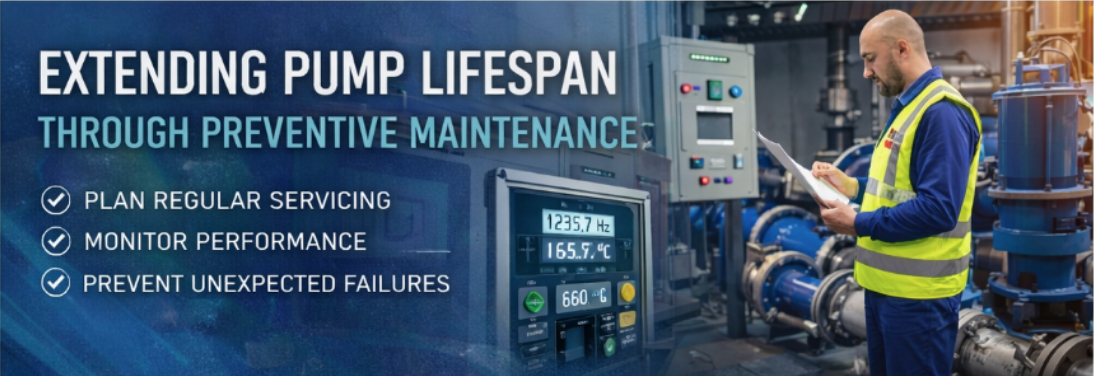
An optimised pump station relies on consistent maintenance practices.
1. Routine Inspections
Checks should include:
- Impeller condition
- Seal and bearing wear
- Motor temperature and vibration
- Flow and pressure deviations
2. Scheduled Cleaning and Debris Removal
Removing silt, rags, and other solids prevents pump blockages and keeps pumps working efficiently.
3. Control Panel Monitoring
Modern systems provide:
- Load monitoring
- Fault alerts
- Real-time data logging
- Predictive maintenance insights
4. Using Genuine Spare Parts
Robot Pumps’ genuine parts maintain system reliability and preserve pump efficiency.
Considering Redundancy and Backup Systems
A well-designed pump station includes standby or redundant pumps. This ensures:
- Stable flow during maintenance
- Reduced risk of overflow
- Ability to handle peak inflows
Typical setups include dual-duty/standby arrangements or multiple parallel pumps to balance load.
When to Upgrade a Pump Station
Upgrades become necessary when:
- Demand has increased
- Energy consumption is too high
- Maintenance is becoming frequent
- Pumps show performance degradation
- The station’s original design no longer suits current inflow conditions
Upgrading to modern high-efficiency pumps and redesigned hydraulics can significantly improve performance and reliability.
Conclusion: Build a Pump Station That Performs Today and Tomorrow
An optimised pump station is efficient, reliable, and easier to maintain, saving money and reducing operational risk. With expert pump selection, strong hydraulic design, and the right long-term maintenance plan, facilities can operate more sustainably and with fewer disruptions.
Robot Pumps South Africa supports industrial, commercial, and municipal clients with high-performance pumps and expert guidance to ensure pump stations run at peak performance.