Reliable pumps are only one part of an effective pumping system. Operators also need a way to control equipment, respond to changing conditions, identify faults, and manage multiple pumps efficiently.
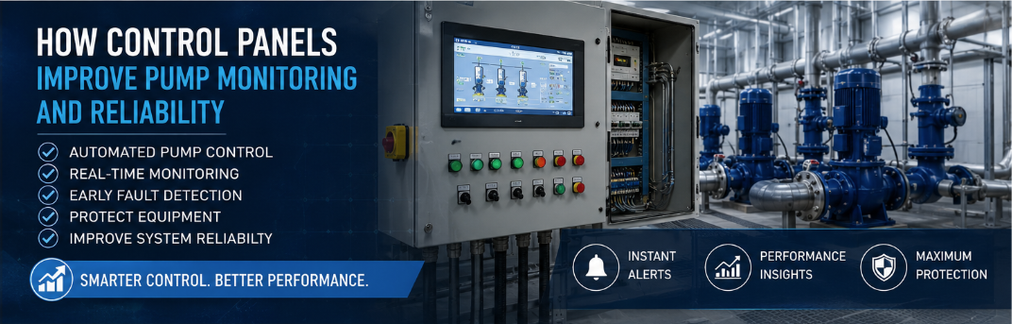
Pump control panels provide this connection between the pumping equipment and the wider system. Depending on the installation and control configuration, they can help automate pump operation, manage pump sequencing, provide fault information, and improve visibility of system performance.
This article explores how pump control panels contribute to pump station monitoring, reliability, and efficient operation.
Why Pump Control Is Important
Without effective control, pumps may operate unnecessarily, run under unsuitable conditions, or fail without operators receiving adequate warning.
A properly configured control system can support:
- Automatic pump operation
- Better management of changing flow conditions
- Reduced risk of pump overload
- Improved equipment protection
- More effective fault identification
- Better management of duty and standby pumps
Robot Pumps South Africa provides pumping solutions for industrial and wastewater applications where dependable system operation is essential.
What Does a Pump Control Panel Do?
A control panel manages electrical and operational functions within a pumping system.
The exact functions depend on the system design, but may include:
- Starting and stopping pumps
- Responding to level signals
- Managing multiple pumps
- Providing alarms
- Protecting motors
- Displaying operating information
This allows the pumping system to respond more effectively to changing conditions.
Key Ways Control Panels Improve Pump Reliability
1. Automatic Pump Operation
In wastewater pump stations, pumps often need to respond to changing liquid levels.
Automatic controls can activate pumps when predetermined conditions are reached and stop them when pumping is no longer required.
This helps maintain appropriate sump levels while reducing unnecessary pump operation.
2. Fault Detection and Alerts
Early identification of a problem can prevent a minor issue from becoming a major failure.
Depending on the control system, operators may be alerted to conditions such as:
- Motor overload
- Pump faults
- Abnormal operating conditions
- High liquid levels
- Power-related problems
Timely fault information allows maintenance teams to respond more quickly.
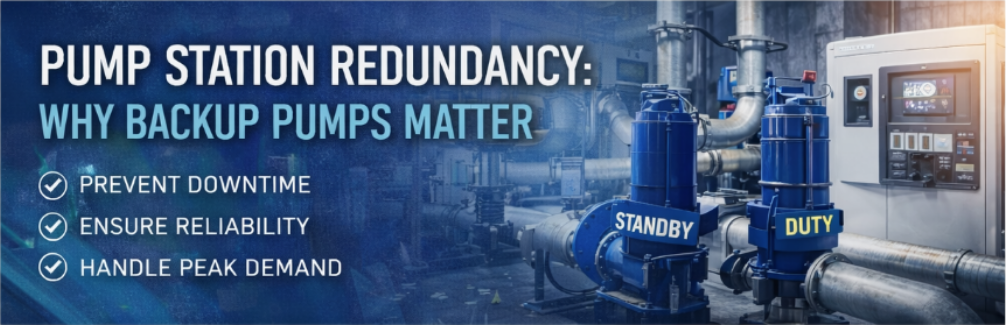
3. Duty and Standby Pump Management
Pump stations commonly use multiple pumps to improve reliability.
Control systems can help alternate pumps so operating hours are distributed more evenly.
This can:
- Balance equipment usage
- Reduce excessive wear on a single pump
- Maintain backup capacity
- Support planned maintenance
If the duty pump becomes unavailable, the standby pump can be brought into operation according to the system’s control configuration.
4. Motor Protection
Pump motors can be damaged by unsuitable electrical or operating conditions.
Appropriate protection systems can help reduce the risk of damage and unnecessary downtime.
Protecting the motor also protects the wider investment in the pumping system.
Using Monitoring Data to Improve Maintenance
One of the major advantages of modern pump monitoring is improved access to operational information.
Depending on the system, useful information can include:
- Pump operating hours
- Start and stop frequency
- Fault history
- Level information
- Pump status
Tracking this information can help maintenance teams identify changes in operating behaviour.
For example, a pump that begins operating more frequently than normal may indicate changing inflow conditions or another system issue requiring investigation.
Control Panels and Variable Speed Drives
Control systems can also be integrated with Variable Speed Drives where suitable for the application.
Instead of simply switching a pump on or off at full speed, a VSD can adjust motor speed according to system demand.
Potential benefits include:
- Improved flow control
- Reduced energy consumption
- Smoother starting
- Reduced mechanical stress
The suitability of VSD control depends on the pump, system hydraulics, and operating requirements.
Improving Pump Station Response to Peak Conditions
Control systems are particularly valuable when inflow varies.
During normal conditions, fewer pumps may be required. When inflow increases, additional pumps can be activated according to the control strategy.
This helps pump stations respond to changing demand while maintaining available capacity.
High-level alarms can also provide an important warning when inflow exceeds normal conditions or pumping capacity is compromised.
The Importance of Regular Control Panel Maintenance
Control equipment also requires inspection and maintenance.
Routine checks may include:
- Inspecting electrical connections
- Testing alarms
- Checking control functions
- Confirming level sensors operate correctly
- Testing duty and standby sequencing
- Inspecting panels for moisture or damage
A pump station is only as dependable as the systems controlling its equipment.
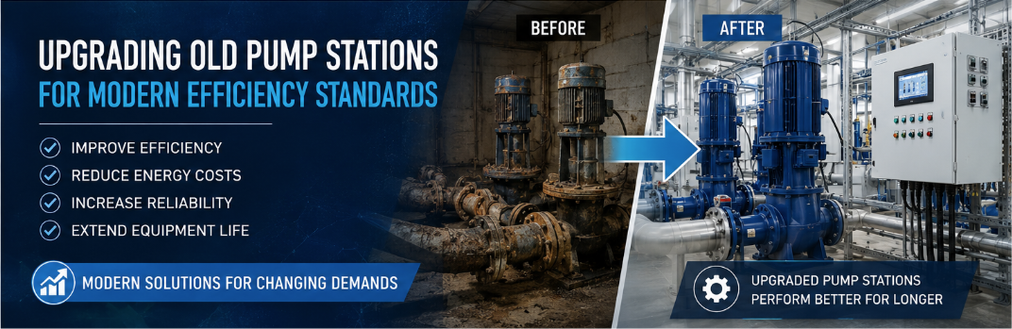
When Should Pump Controls Be Upgraded?
An upgrade may be worth considering when:
- Existing controls provide limited information
- Pumps are manually operated unnecessarily
- Faults are difficult to identify
- Duty and standby pumps are not being balanced effectively
- System demand has changed
- Existing control equipment has become unreliable
Control upgrades can sometimes improve an existing pump station without requiring replacement of every mechanical component.
Conclusion: Better Control Supports Better Pump Performance
Pump control panels play an important role in creating reliable and manageable pumping systems. By automating pump operation, providing fault information, managing multiple pumps, and supporting monitoring, control systems help operators maintain consistent performance.
Combining suitable pumps with an appropriate control strategy can improve reliability, reduce unnecessary equipment wear, and provide greater visibility of pump station operation.
Robot Pumps South Africa provides pumping solutions for industrial and wastewater applications, helping clients select equipment suited to their operational requirements.