Pump stations are designed for long-term operation, but the demands placed on them can change considerably over time. Increased flow requirements, ageing equipment, higher energy costs, and changing wastewater characteristics can all cause an older pump station to operate less efficiently than originally intended.
Continuing to operate an inefficient station can result in rising electricity consumption, frequent breakdowns, reduced pumping capacity, and higher maintenance costs.
This article explores when a pump station upgrade should be considered and how modernisation can improve efficiency, reliability, and long-term performance.
Why Older Pump Stations Can Become Less Efficient
A pump station that performed effectively when first commissioned may no longer be ideally suited to current operating conditions.
Changes can include:
- Increased wastewater volumes
- Higher peak flow requirements
- Ageing pumps and components
- Changes in solids content
- Increased energy costs
- More frequent maintenance requirements
- Outdated control equipment
Robot Pumps South Africa provides pumping solutions for wastewater and industrial applications, helping facilities select equipment that suits their current system requirements.
Signs That a Pump Station May Need an Upgrade
Identifying declining performance early allows operators to plan improvements before a major failure occurs.
1. Increasing Energy Consumption
A gradual increase in electricity usage can indicate that pumps are no longer operating efficiently.
Possible causes include:
- Worn impellers
- Incorrect pump sizing
- Increased system resistance
- Pumps operating away from their Best Efficiency Point
- Ageing motors or control equipment
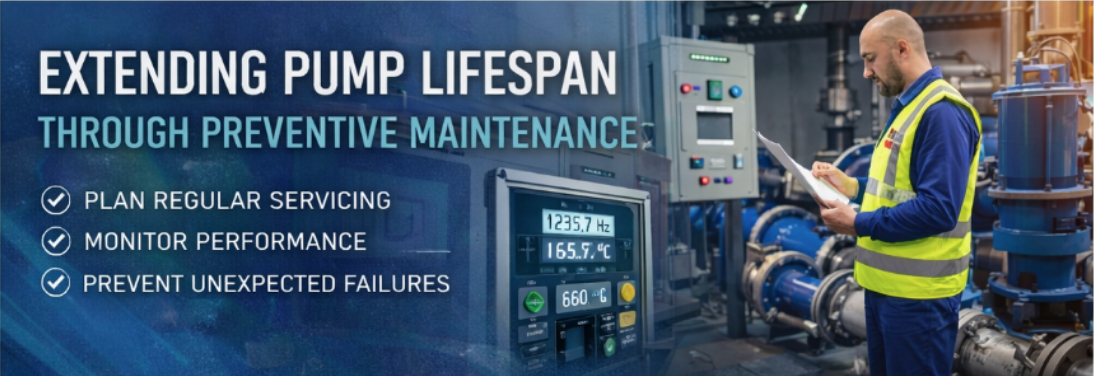
Monitoring energy consumption alongside flow performance can help identify inefficiencies.
2. Frequent Pump Breakdowns
Repeated failures are often a sign that equipment is reaching the end of its practical service life or is no longer suitable for the application.
Common problems may include:
- Bearing failures
- Seal problems
- Excessive vibration
- Impeller wear
- Motor overheating
- Repeated clogging
When repair requirements become increasingly frequent, upgrading may provide better long-term value than continuing to repair ageing equipment.
3. Increased Flow Demand
Infrastructure requirements rarely remain unchanged.
Population growth, industrial expansion, new developments, or changes to production processes can increase the amount of wastewater entering a pump station.
Pumps originally selected for lower flow requirements may struggle to manage this additional demand efficiently.
4. Poor Solids Handling
Changes in wastewater composition can also affect pump performance.
If pumps regularly clog due to fibrous materials, solids, or debris, it may be necessary to consider equipment with improved solids-handling capabilities.
Modern Pump Technologies That Can Improve Efficiency
Upgrading a pump station does not always mean rebuilding the entire facility. Strategic equipment improvements can significantly enhance performance.
1. High-Efficiency Pumps
Replacing ageing pumps with correctly selected modern units can improve hydraulic efficiency.
Potential benefits include:
- Reduced electricity consumption
- Improved flow performance
- Lower mechanical wear
- Reduced maintenance requirements
- Longer service life
Pump selection should always consider actual system conditions rather than simply replacing an existing pump with a unit of similar size.
2. Variable Speed Drives
Variable Speed Drives, or VSDs, allow pump speed to change according to system demand.
This can provide:
- Better flow control
- Reduced energy consumption during lower demand
- Smoother pump starting
- Reduced mechanical stress
- Improved operational flexibility
VSDs can be particularly useful where flow requirements vary considerably throughout the day.
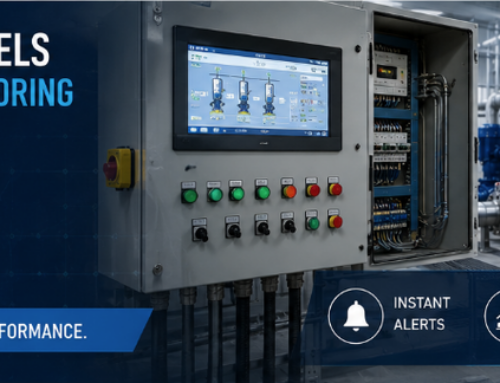
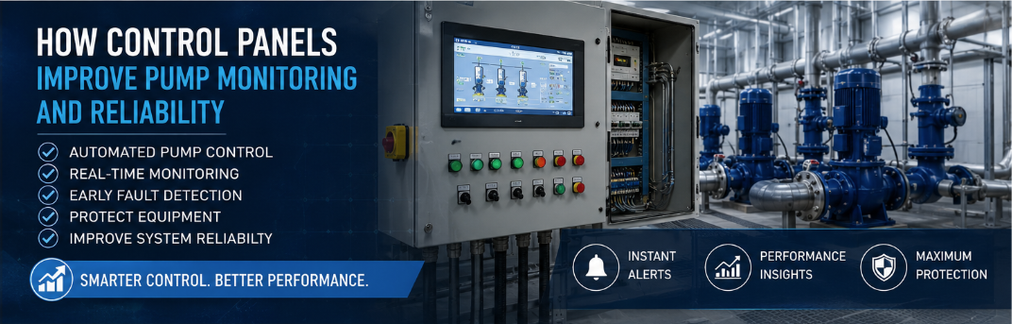
3. Modern Control Systems
Older pump stations may rely on basic control equipment that provides limited operational information.
Modern control systems can provide:
- Pump status monitoring
- Fault alerts
- Level monitoring
- Operating hour tracking
- Automatic pump sequencing
Better information allows operators to identify potential problems earlier and make more informed maintenance decisions.
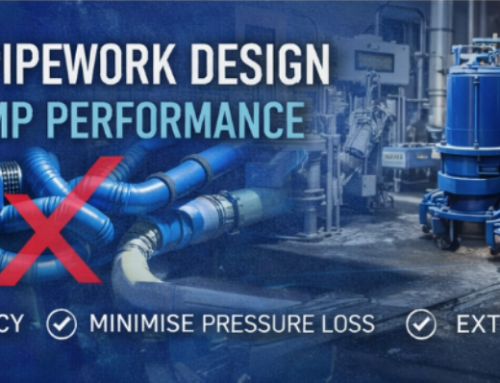
Improving Pump Station Hydraulics
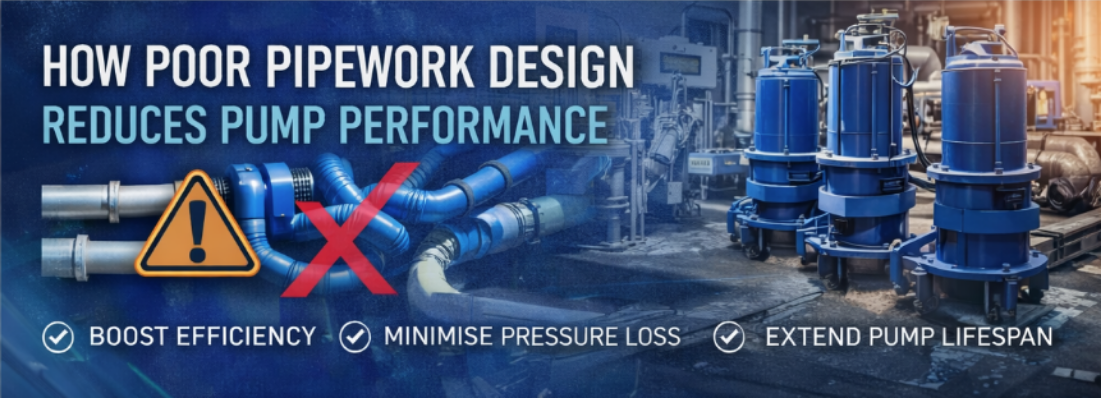
Pump replacement alone may not solve efficiency problems if the surrounding hydraulic system remains poorly configured.
An upgrade assessment should consider:
- Sump geometry
- Pump positioning
- Pipe diameters
- Valve condition
- Excessive bends or restrictions
- Discharge conditions
Reducing unnecessary hydraulic losses allows pumps to operate more efficiently.
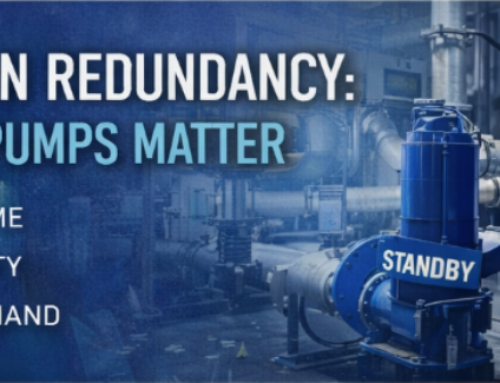
Considering Redundancy During an Upgrade
Modernisation also provides an opportunity to improve system resilience.
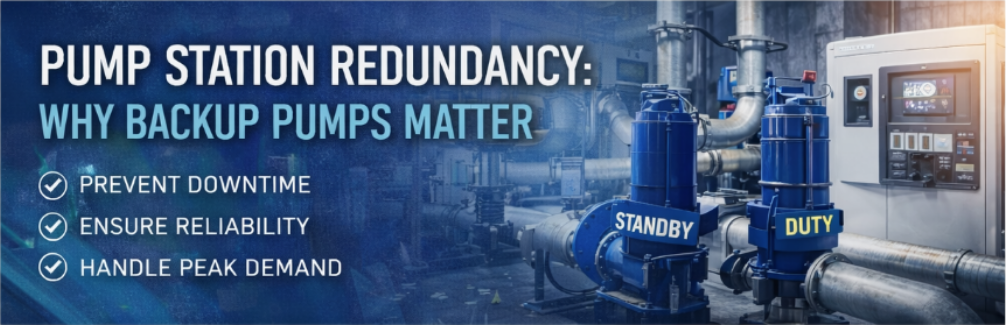
Duty and standby configurations can help ensure continued operation when one pump is unavailable.
Benefits include:
- Reduced downtime
- Easier planned maintenance
- Improved reliability
- Additional capacity during high inflow conditions
Backup requirements should be considered according to the importance of the pump station and the consequences of failure.
Repair or Upgrade: Making the Right Decision
Not every ageing pump station requires complete replacement.
A system assessment should consider:
- Equipment age
- Repair frequency
- Energy consumption
- Availability of replacement parts
- Current and future flow requirements
- Overall lifecycle costs
Where existing equipment remains suitable and efficient, targeted maintenance may be sufficient. Where performance and reliability continue to decline, modernisation can offer stronger long-term value.
Conclusion: Modernising Pump Stations for Better Performance
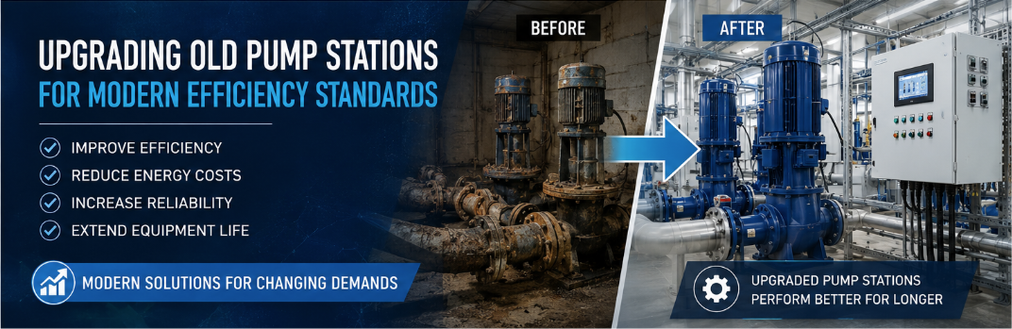
An ageing pump station does not necessarily need to be completely rebuilt to achieve better performance. Strategic upgrades to pumps, controls, hydraulics, and monitoring systems can improve efficiency while reducing operating and maintenance costs.
Evaluating the entire system is essential when deciding which improvements will deliver the greatest benefit.
Robot Pumps South Africa provides pumping solutions for industrial and wastewater applications, helping clients select equipment suited to demanding operating conditions and long-term system requirements.