Even with a strong pump station layout, performance ultimately depends on the quality of pump selection, system efficiency, and maintenance practices. Choosing the wrong pump can lead to obstruction, excessive wear, or high energy bills. Likewise, stations that avoid modern efficiency upgrades often operate far below their potential.
This article focuses on pump selection, energy efficiency improvements, and reliability planning for industrial and wastewater pump stations.
Choosing the Right Pump for the Application
Correct pump selection ensures smooth flow, stable loading, and energy-efficient operation. Engineers must evaluate hydraulic and system-specific requirements to match pumps properly.
1. Hydraulic Requirements
Key factors include:
- Desired flow rate
- Total dynamic head
- Solids content in wastewater
- Variations in flow demand
- Required operating cycles
Accurate sizing ensures pumps operate near their Best Efficiency Point (BEP).
2. Impeller Type
The impeller determines pumping efficiency and solids-handling capability.
- Vortex impellers – handle solids-heavy wastewater
- Channel impellers – offer high efficiency for municipal flow
- Cutter/grinder impellers – ideal for fibrous debris
Robot Pumps South Africa supplies durable submersible pumps with specialised impellers suited to local wastewater conditions.
3. Pump Materials & Durability
In highly corrosive or abrasive environments, materials matter. Stainless steel, hardened alloys, and heavy-duty cast iron improve longevity and reduce maintenance frequency.
Improving Pump Station Energy Efficiency
Energy accounts for a major portion of pump station running costs. Efficiency upgrades can substantially reduce consumption.
1. Variable Speed Drives (VSDs)
VSDs match pump output to real-time system demand. Benefits include:
- Lower energy consumption
- Smooth acceleration
- Reduced mechanical wear
- Improved flow control
2. Correct Pump Sizing
Oversized pumps waste energy by operating far from their intended performance range.
Undersized pumps overwork and fail prematurely.
Correct sizing ensures stable, efficient operation.
3. Hydraulic Efficiency
Reducing friction losses in pipework lowers pump workload and enhances overall performance.
Maintenance Planning for Long-Term Reliability
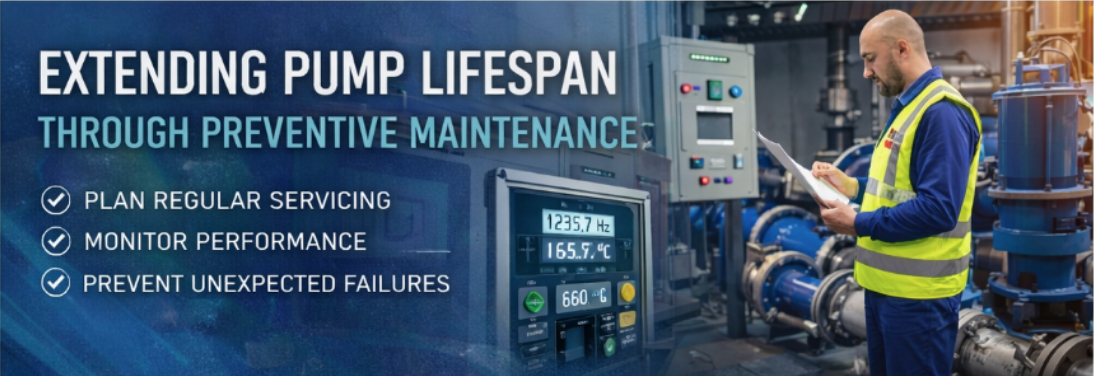
Ongoing maintenance protects pump investment and prevents operational failures.
1. Routine Inspections
Critical components to inspect include:
- Impellers and clearances
- Bearings and mechanical seals
- Motor temperature and vibration
- Flow and pressure variations
2. Scheduled Cleaning
Removing rags, silt, and solids reduces blockages and maintains hydraulic efficiency.
3. Control Panel & Monitoring Systems
Modern control panels provide:
- Real-time alerts
- Load and performance tracking
- Predictive maintenance insights
4. Genuine Spare Parts
Using original Robot Pumps parts maintains performance and protects equipment warranties.
When Pump Station Upgrades Are Necessary
Upgrade triggers include:
- Increasing inflow demand
- Rising energy costs
- Frequent maintenance events
- Declining pump performance
- Outdated hydraulic design
Upgrading with modern pumps, redesigned flow paths, or VSD systems can dramatically improve reliability and efficiency.
Conclusion: Strengthening Reliability Through Better Equipment & Planning
Efficient pump selection, energy-saving technology, and a structured maintenance approach are the cornerstones of a reliable pump station. These improvements reduce costs, extend equipment life, and ensure stable long-term performance.
Robot Pumps South Africa provides advanced pumps, efficiency solutions, and expert engineering guidance to help facilities achieve dependable, cost-effective operation.